31 October 2026
The Ultimate Western Sydney Commercial Pressure Cleaning Guide
Presented by @judahamhm637
Commercial pressure cleaning helps Western Sydney businesses maintain safer, cleaner and more welcoming premises. From shopfronts in Parramatta and warehouses in Wetherill Park to industrial sites in Blacktown and Penrith, outdoor surfaces collect dust, grease, tyre marks and organic growth. Removing these contaminants improves presentation and can reduce slip risks, but the right method matters as much https://pressurecleaningwesternsydney.com.au/gutter-cleaning/ as the result.
This guide explains how to plan commercial pressure cleaning in 2026, protect building materials, manage wastewater and choose a suitable contractor.
Which Commercial Areas Benefit From Pressure Cleaning?
Common cleaning areas include concrete paths, loading docks, car parks, service yards, entranceways and bin storage areas. Building façades, awnings and signs may also benefit, although they often need lower-pressure methods rather than aggressive washing.
Western Sydney’s construction activity and vehicle traffic can contribute to surface dust, while shaded or poorly drained areas may develop algae. Food premises and waste areas face additional challenges from grease and organic residue. The cleaning approach should match the contamination, surface condition and drainage layout.
Choosing the Right Cleaning Method
Pressure Cleaning for Durable Surfaces
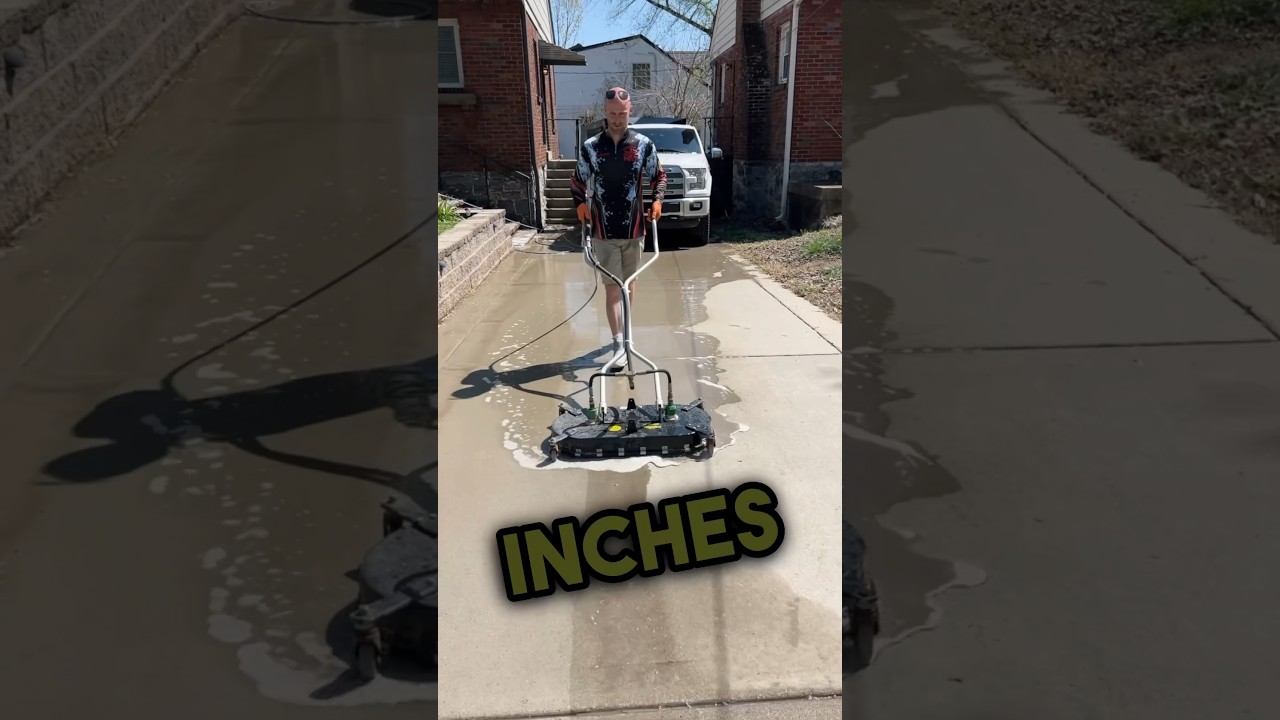
Sound concrete and some masonry surfaces can tolerate pressure cleaning when suitable equipment and techniques are used. A rotary surface cleaner can produce a more consistent finish across large flat areas than a handheld wand alone. Operators should adjust pressure, nozzle selection and working distance to avoid etching concrete or dislodging joint material.
Hot Water for Grease and Oil
Hot-water cleaning can help loosen oily deposits on loading areas, workshop floors and waste enclosures. Suitable detergents may improve results, but oil that has penetrated deeply into concrete may remain visible. Ask the contractor to explain likely stain removal outcomes before work begins.
Soft Washing for Delicate Materials
Painted surfaces, render, older masonry and some cladding may require low-pressure cleaning with compatible products. High pressure can strip coatings, damage mortar or force water into a building. A test patch helps establish a safe approach, particularly on ageing or previously repaired surfaces.
Suspected asbestos-containing materials must not be pressure cleaned. Arrange assessment by a qualified professional before disturbing potentially affected materials.
Wastewater, Water Use and Environmental Responsibilities
Wastewater management is a critical part of commercial pressure cleaning in Western Sydney. Wash water can carry oil, sediment, detergents and other pollutants. Under NSW pollution laws, allowing contaminated runoff to enter stormwater can lead to enforcement action.
Before cleaning starts, identify nearby drains and agree on containment measures. Depending on the site, these may include drain covers, bunding and vacuum recovery. Collected wastewater needs an appropriate disposal pathway; discharge to sewer may require trade wastewater approval from the relevant water utility. A biodegradable detergent does not make contaminated runoff suitable for stormwater.
Check current water restrictions, utility requirements and any site-specific conditions when booking. Efficient equipment, dry sweeping before washing and targeted cleaning can reduce unnecessary water use.

How to Prepare Your Commercial Site
- Inspect the area: Identify cracked surfaces, loose coatings, electrical fittings and places where water could enter the building.
- Confirm access: Arrange water supply, equipment access and parking without obstructing loading operations or emergency routes.
- Protect people and property: Move stock and vehicles, close nearby windows and establish barriers around the work zone.
- Plan runoff control: Confirm where wastewater will collect, how it will be recovered and where it will be disposed of.
- Schedule reopening: Allow for cleaning, inspection and drying before pedestrians or vehicles return.
Early-morning or after-hours work can minimise disruption, but check applicable noise restrictions and building access rules. Food businesses should also coordinate cleaning to protect exposed food, packaging and preparation areas.
How Often Should Commercial Surfaces Be Cleaned?
There is no single cleaning schedule suitable for every property. Busy entrances, greasy loading areas and bin enclosures need more frequent attention than sheltered, low-traffic surfaces. Inspect high-use areas regularly and clean when contamination creates a safety, hygiene or presentation issue.
As a planning starting point, consider quarterly reviews of busy outdoor areas and six- to twelve-monthly reviews of lower-use surfaces. These are inspection intervals, not mandatory cleaning frequencies. Address spills promptly rather than waiting for a scheduled service, and investigate recurring algae or puddling for drainage problems.
What Affects Commercial Pressure Cleaning Costs?
Price depends on more than the area being cleaned. Surface condition, contamination, access, working hours and wastewater recovery can substantially change the scope. Elevated work, traffic management and specialist stain treatments may add costs.
Request a written quote that identifies the surfaces included, cleaning methods, runoff controls, access requirements and exclusions. Compare equivalent scopes rather than headline prices. Be cautious of promises to remove every stain or restore damaged surfaces through cleaning alone.
Choosing a Western Sydney Pressure Cleaning Contractor
- Relevant experience: Ask about comparable commercial properties and surface materials.
- Insurance: Request current evidence of public liability insurance and other cover relevant to the work.
- Safety planning: Confirm how the contractor manages pedestrians, vehicles, chemicals and electrical hazards.
- Environmental controls: Ask specifically about wastewater containment, recovery and disposal.
- Clear expectations: Agree on stain-removal limitations, test patches, drying time and the final inspection.
For work involving elevated access or other higher-risk activities, check that personnel hold any required qualifications and that appropriate safety documentation is provided.
Protect Your Property With a Site-Specific Cleaning Plan
Effective commercial pressure cleaning combines the right treatment with careful site management. Start with an inspection, address drainage and surface defects, and choose a contractor who explains both the cleaning process and environmental controls. For Western Sydney businesses, a tailored maintenance plan helps keep premises presentable without unnecessary disruption or avoidable surface damage.
Western Sydney Pressure Cleaning
Unit 2/1 Cowpasture Pl, Wetherill Park NSW 2164
(02) 9000 1596